With so many food businesses looking to reduce their carbon footprint, the major culprits such as property, data centers and especially transport are coming under increasing spotlight.
It’s no surprise that packaging is receiving just as much scrutiny, given the negative impact that energy-intensive manufacturing processes and food waste can have on CO2.
The best way to meet that scrutiny is with accurate real-time data on that packaging. Retailers and brands looking to achieve near-zero emissions need to first understand where they are today, because that is the baseline that will show their improvement (or lack thereof) as time goes by.
Yet at the same time, it is vital to remember that changing packaging cannot be to the detriment of the product it is protecting. A smaller package might seem like the right move to reduce emissions, but if it means the percentage of food inside that is damaged in transit doubles overnight, that will simply increase food waste – one of the single biggest sources of CO2.
In essence, don’t shift the problem and thereby make it worse.
Energy and transportation
Importantly, data on packaging will also show retailers and brands where their efforts should best be focused: what types of packaging are they using, what impact does it have, and where is it being sourced?
Given the considerable negative impact that transport can have on CO2 emissions, a move towards more locally sourced packaging is often the simplest way to have an immediate effect.
Optimizing packaging to reduce transportation emissions can happen in other ways as well. Thinner plastic bottles are lighter and easier to stack in a pallet, as are more lightweight boxes. And the benefits can be considerable: less space and weight reduces CO2 and also transport costs.
Remove excess packaging
Although minimizing packaging can reduce transport emissions and costs, it is notable that the focus on reducing excess packaging that was so prevalent in the early 2000s, with retailers and brands ‘value engineering’ their cartons and bottles into smaller sizes, has faded away somewhat in recent years.
Unfortunately, the rush to premiumize and differentiate food and drink products, most notably in more premium tiers, has resulted in excess packaging creeping back into use.
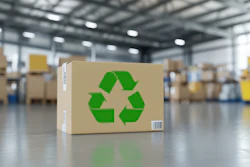
There has also been a growing use of multi-material packaging formats for food, with additional coatings and laminates making it harder to recycle - and recycling is the best way to ensure a circular solution.
CO2 isn’t driving packaging sustainability – money is
Food brands that rethink their excess packaging and focus on recyclability and CO2 will also encounter another benefit: the main driver of packaging design and sustainability across the United States at present is not carbon, but regulation fees and fines.
Many states have introduced (or are planning) extended producer responsibility (EPR) legislation that could see food brands and retailers paying out tens of thousands of dollars every day for non-compliance.
The important thing is that the regulatory landscape is constantly evolving – and do not be surprised to see carbon emissions being just as highly regulated as recyclability over the coming years.
Some of the country’s largest grocery and food brands saw EPR coming years ago and were proactive in how they started collecting their packaging data, knowing that it would save them money in the long term. With the advent of Scope 3 carbon reporting and changing EPR legislation, food businesses that start collecting data on carbon now will be in a far stronger position for the future.
Tell customers what you’re doing
As a final point, the thing that is most often forgotten when retailers and brands shift their packaging strategy is to tell consumers what they are doing, and most importantly, why they are doing it.
If shoppers see that the bottle is thinner, or the box is smaller, or the extra layer of plastic has been removed, they will almost always default to thinking that the business is just trying to save money.
Grocery retailers and brands that instead take the time to communicate with consumers and explain how this is part of a strategy to reduce carbon, will instead be able to engage them and encourage a far more positive emotional response.
So, in fact, the journey to reduce carbon and achieve near-zero emissions can, if managed correctly, simultaneously be an invaluable tool for brand loyalty and customer retention, as well as helping to lower costs and lower fees. That has to make it worth the effort.