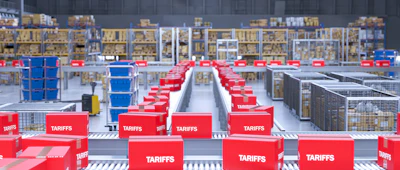
New U.S. tariff measures and acute geopolitical tensions are reshaping the global pharmaceutical landscape, prompting companies to rethink supply chains and production strategies, according to GlobalData’s Bio/Pharmaceutical Outsourcing report.
"The tariff framework fundamentally changes the operating environment for global pharma. While pricing agreements remain relevant, U.S. priorities have been more closely calibrated around onshoring manufacturing, with companies now under even greater pressure to align their production footprints with policy expectations," says Dominic Tyer, senior editor at GlobalData.
Key takeaways:
· The policy introduces a complex system of incentives linked to domestic manufacturing and pricing agreements. At the same time, the strong focus on onshoring highlights the broader push to strengthen U.S. production capacity.
· This shift will continue to drive increased investment in U.S.-based manufacturing.
· The current Middle East conflict is adding further strains for pharma manufacturing. Rising energy prices, disrupted logistics routes, and higher freight costs are increasing production expenses and supply chain uncertainty.
"The current geopolitical environment is intensifying existing vulnerabilities. Supply chains remain highly concentrated and cost sensitive. Even moderate disruptions can have downstream effects on medicine availability and pricing," adds Edita Hamzic, healthcare analyst at GlobalData.