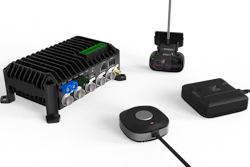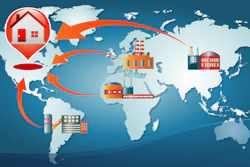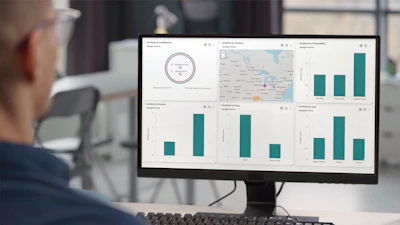
Telematics devices help food logistics providers protect time- and temperature-sensitive shipments, ensure on-time deliveries to retailers and restaurants, and safeguard brand integrity. They can also improve fleet safety immensely by alerting fleet management to patterns of risky driver behavior, such as speeding and cell phone use. However, some fleets aggressively avoid access to this helpful data, fearing that it will be used against them. Theoretically, in post-crash litigation, the plaintiff’s counsel could use the data to demonstrate that the fleet had a consistent pattern of unsafe behaviors that led to the crash. Moreover, it could prove that the fleet was fully aware of the risks but failed to act appropriately.
For companies transporting food and beverage products, the stakes go beyond crash liability. A single incident can disrupt supply chains, lead to spoiled product, trigger regulatory scrutiny, or damage relationships with major grocery and foodservice customers. This raises a dilemma for many fleets: Does accessing the data and the corresponding opportunities to prevent crashes and improve efficiency present a greater benefit than the risks it carries with it?
According to legal experts, especially those with experience in trucking crashes, it is far better to obtain this powerful information to reduce crashes and claims costs. The benefits are too huge to ignore. For food logistics providers, the ability to prevent disruptions, maintain delivery schedules, and document compliance with safety protocols adds another compelling layer of value. Also, by reducing or eliminating crashes, fleets can proactively limit their exposure to post-crash litigation. However, it is equally important to manage the data very carefully, as it can be a powerful weapon in the hands of a skilled litigator.
Here are some key recommendations for managing the data to harness its benefits and limit its risks:
Have a consistent plan and stick to it. The safest and most successful fleets have strong protocols for reviewing and acting on telematics data. This includes daily reviews of key indicators, consistent practices to address risky driver behaviors, and policies for dealing with those who do not improve. This consistency also supports reliable delivery windows and helps ensure product quality is not compromised by delays or unsafe driving events. Don’t deviate from the plan even when tempted, such as when faced with the need to coach a long-tenured driver who is highly productive.
Identify areas of vulnerability. Just as positive trend data, such as a reduction in speeding events, can help a fleet, negative trend data can be very damaging. For instance, records showing that a driver exhibited a steady increase in risky behaviors, such as following too closely, but was allowed to continue driving unchecked, can be damning. In other words, evidence that the fleet had actionable data but failed to act can be especially incriminating. Identify poor trends and take action based on the evidence presented.
Limit data retention. Experts strongly recommend limiting data retention, as doing so will also limit exposure. Since there is no mandated retention period for non-regulated telematics data, like there is with ELD and maintenance records, there is no need to keep it longer than necessary. The general consensus is that fleets should retain data for no more than three months. However, food logistics providers should ensure retention policies align with any applicable food safety, traceability, or customer compliance requirements before implementing limits.
Develop a positive narrative. While telematics data can present a threat to the fleet in a courtroom, it can also provide some shelter. Demonstrating that the fleet actively uses telematics data to effectively reduce risk indicates a strong safety culture. Examples of how the fleet uses the data to successfully reduce the frequency of crashes and crash severity are certain to frustrate a plaintiff’s attorney. For food logistics companies, this narrative can also highlight commitments to product integrity, on-time delivery performance, and compliance with food safety standards – factors that are increasingly important to customers and regulators alike.
If companies don’t write their own narrative with their data, the billboard truck crash attorneys will, and it won’t be favorable. Properly analyzed and managed data is a great tool for defending a case.
In post-crash litigation, if the motor carrier claims it does not maintain the data, the plaintiff’s attorney will simply get it directly from the telematics provider. In one recent case, the plaintiff’s attorney argued that the ‘data was available to the motor carrier, literally at their fingertips, and they ignored it.’ On the other hand, if the telematics data is favorable and the driver has few, if any, adverse events, it can be a gold mine for the defense team. Telematics data can demonstrate that the motor carrier is monitoring its drivers, taking corrective action, and is a responsible corporate citizen.
For those in the food industry, that “responsible corporate citizen” designation carries additional weight, extending beyond roadway safety to include the safe, reliable delivery of products that consumers depend on every day.