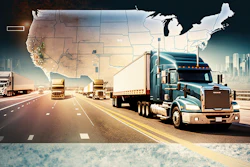
Food logistics leaders prioritize strict climate management to ensure product freshness and meet regulatory standards across every mile. Forward-thinking operational managers should employ modern shipping technologies like refrigerated freight to build reliable nationwide food distribution networks.
The Importance of a Temperature-Controlled Supply Chain
A climate-controlled supply chain is necessary for many reasons. Here is why leaders should pay extra attention to item temperature.
Public Health and Product Integrity
The enforcement of strict climate limits during transit preserves product freshness, taste, texture and visual appeal. Precise environmental control protects public health by stopping the growth of harmful bacteria like Salmonella, Bacillus cereus and E. coli.
According to USDA guidelines, bacteria expand rapidly in unmonitored environments. Food left out for more than two hours or one hour at high temperatures enters the “Danger Zone,” making it unfit for consumption. Food categories like dairy, meat and fresh produce have distinct, nonnegotiable temperature thresholds.
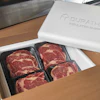
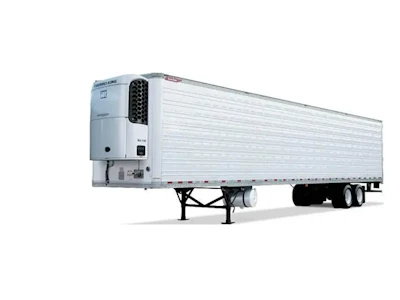
 A refrigerated solution from Keller Logistics that protects food integrityKeller Logistics Group
Regulatory Standards and Asset Protection
Adhering to strict federal mandates such as the FDA Food Safety Modernization Act will enable leaders to trace shipments accurately. Shippers must maintain lot codes and Critical Tracking Events to make products easily traceable in case of a climate issue. Facility registration is also important, as commercial facilities that manufacture, process, pack or hold food must register with the FDA.
Safe distribution practices shield corporate revenue from financial losses caused by changing temperatures. This operational consistency builds consumer trust and strengthens brand loyalty.
Logistics Scale and Waste Reduction
Modern consumers demand constant access to premium, fresh food year-round. Long-distance shipping and international trade lanes introduce variable and unstable environments, adding operational hurdles for distribution networks.
More than one billion tonnes of food is wasted, with most occurring in households. Food service and retail follow behind households. It is possible to reduce this food waste by ensuring that fruits, vegetables and other perishables arrive at their destination fresh.
Key Challenges in Refrigerated Transportation
Cold chain logistics networks protect food safety and asset value across the national market. However, some challenges present themselves when fleet managers decide to manage refrigerated freight:
- Equipment reliability: Mechanical issues can cause temperature variations
- Airflow obstructions: Poor airflow from incorrect pallet placement can create hot spots
- Loading dock vulnerabilities: Extended staging times compromise food
- Transit delays: Traffic and weather increase transport duration
- Visibility gaps: Delayed alerts on temperature falls cause product degradation
- Sanitation management: Unclean trailers introduce bacteria
- Fuel efficiency: Running continuous cooling units increases fuel expenses
- Personnel training: Personnel who misunderstand equipment increase risks
- Compliance tracking: Drivers must record accurate temperature histories
- Last-mile delivery: Frequent door opening can accelerate product spillage rates
Innovative Solutions in Modern Refrigerated Freights
Modern transportation managers deploy advanced monitoring systems and energy-efficient trailer equipment to maintain strict environmental oversight across the global cold chain.
Advanced Monitoring and IoT Technology
Connected GPS and IoT sensors provide constant data streams regarding real-time shipment temperature and humidity levels inside the trailer. Automated alert systems instantly notify fleet dispatchers via mobile dashboards during climate changes, while geofencing triggers live location updates as trucks cross warehouse boundaries.
These digital tracking tools automatically log detailed records to meet strict regulatory compliance requirements. Operations teams monitor these continuous data streams to track overall reefer unit health and to schedule necessary asset maintenance work.
 Keller Logistics line of freight solutions that adhere to tracking standards Keller Logistics Group
Sustainable and Efficient Equipment
Next-generation electric and hybrid refrigeration units maximize fuel efficiency and support clean corporate transport goals. Fleets improve trailer thermal performance with advanced insulation materials and smart airflow systems that evenly distribute temperature throughout the space.
Logistics networks also deploy cryogenic cooling with carbon dioxide or liquid nitrogen for rapid, powerful temperature control when necessary. Additionally, solar-assisted reefers use rooftop panels to supplement asset power.
According to SmartWay efficiency benchmarks, verified tractor and trailer configurations can reduce fuel consumption by 20%, or 2,000 to 4,000 gallons of diesel per year.
While many logistical challenges are solvable with well-trained staff, modern technology and lawyers, this can create a high up-front cost. A logistics partner can handle these obstacles.
Finding a Reliable Partner in Refrigerated Logistics
Full-service freight brokers such as Keller Logistics have top-rated refrigerated freight solutions to protect the food supply and ensure products arrive safely and on time.
Operating since the 1950s, Keller Logistics holds a consecutive nine-year distinction as one of the Best Fleets to Drive For. Supply chain executives access an extensive network of over 3,000 pre-vetted carriers specializing in temperature-controlled transport for packaged foods and fresh produce.
The strict selection process verifies carrier equipment reliability, exceptional safety records and comprehensive cooling techniques. Shippers collaborate with a dedicated logistics coordinator to handle daily transportation management and secure competitive market rates.
This clear operational alignment optimizes distribution efficiency and maintains strict product quality standards from origin to destination. Operations managers look to these specialized freight solutions at Keller Logistics to secure dependable shipping capacity and maintain complete load integrity across every domestic route.
Frequently Asked Questions
Below are some common questions to consider when seeking information on refrigerated freight and food transportation.
1. What are the primary risk areas in the food cold chain?
The main risk areas are refrigeration equipment issues, temperature fluctuations during loading and unloading cycles, and transit delays. Proactive oversight in these areas secures food freshness and prevents product loss.
2. How does technology help manage refrigerated shipping?
IoT sensors and GPS provide real-time monitoring of trailer temperature, humidity and location. This technology delivers automated alerts for any climate changes, allowing logistics teams to resolve variations immediately during transit.
3. Why do companies use freight brokers for refrigerated shipments?
Specialized freight brokers provide direct access to large, vetted networks of reliable carriers. These partners manage all booking and tracking details while verifying that the assigned carrier has the specific expertise to handle climate-sensitive cargo.
Refrigerated Freight Solutions Are Solving Problems
Food distribution networks require proactive temperature management to safeguard cargo value every mile of the way. Advanced monitoring systems and modern trailer designs build fleet resilience along busy transit corridors.
Selecting an experienced refrigerated freight partner like Keller Logistics completes this corporate operations strategy. These collaborative partners verify regulatory compliance, protect product freshness and maintain consumer trust while leaders work on their business.