Food safety is in the headlines more than ever, and the Center for Disease Control estimates that 48 million people get sick from a foodborne illness every year. These issues don’t occur because we lack regulations; it is because of the increased complexity of food supply chains. Farm-to-table may describe where food starts and ends, but it downplays the bulk of the journey.
Transportation is one of those overlooked links in the food supply chain in the minds of consumers, but it is often where critical information changes hands. Every staging, pickup, transload and delivery creates an opportunity to either strengthen traceability or introduce uncertainty.
Supply chain complexity and traceability
The food industry has never had stronger standards for transportation. The Food Safety Modernization Act (FSMA) established clear expectations around sanitation, temperature control, training and recordkeeping. But the challenge is no longer simply moving food safely. It is maintaining visibility across increasingly interconnected networks.
Recent foodborne illness outbreaks have reinforced this reality. By the time an issue is identified, affected products may have already moved through multiple supply chain partners, reached store shelves or, in the worst cases, been consumed. The faster food shippers and public health officials can identify impacted products and understand where they traveled, the better the response. That’s why traceability is incredibly important to food safety.
In fact, there is ongoing discussion around a new FDA regulation that would do just that – the Food Traceability Rule. The FDA most recently met to gather input on the proposed rules in June 2026. Once implemented, it is designed to strengthen the food industry’s ability to quickly pinpoint and remove potentially contaminated products. By improving recordkeeping and end-to-end visibility, the rule aims to make food supply chains more transparent and responsive during recalls and food safety incidents.
One lesson the industry continues to learn is that problems cannot wait until delivery to be discovered.
If the first indication of an issue is a rejection at the receiver, companies have already lost valuable time. If the first indication comes after consumers become sick, the consequences can be far greater.
While transportation cannot eliminate every food safety risk, it plays a supporting role in maintaining the visibility needed to respond when issues occur. Accurate shipment records, transportation documentation, chain-of-custody information, handling instructions and communication between trading partners all help create a clearer picture of where products moved and how they were handled throughout transit.
While the new Food Traceability Rule will certainly require significant investment from companies across the food supply chain, visibility across our modern and complex food supply chains has become increasingly valuable. New systems, processes and data-sharing requirements won't be easy to implement.
But the long-term benefit may extend well beyond compliance.
There is operational disruption, financial loss and product waste that occurs when shippers are unable to quickly determine what product was affected, where it traveled or whether it can still be safely used.
The faster companies can identify impacted shipments, isolate risk and make informed decisions, the less product is unnecessarily discarded. Traceability could meaningfully help reduce waste.
Digital technology is strengthening food chain visibility
In many ways, the next chapter of food logistics is less about whether a product moved and more about whether the information moved with it.
While transportation providers cannot detect pathogens such as Cyclospora, they can support the visibility and traceability efforts that become critical when questions arise. Accurate shipment records, transportation documentation, handling instructions and chain-of-custody information all contribute to a faster and more effective response.
The increasing focus on traceability is accelerating adoption of digital technologies throughout the food supply chain.
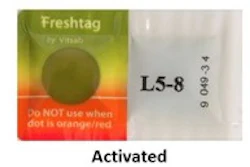
Real-time temperature monitoring is a great example of tech protecting food safety by proactively managing potential issues while in transit rather than reacting upon delivery. Ten years ago, a shipment could spend hours outside the appropriate temperature range while in transit without anyone knowing, as long as it arrived within specification. Today, continuous monitoring allows transportation partners and food shippers to detect temperature excursions in real time, respond before problems escalate and asses product quality with more information.
Digital documentation creates more complete records of inspections, shipment activity and transportation milestones and will continue to be key and evolve as Food Traceability Rule procedures are implemented.
As regulations and supporting tech continue to evolve it will become easier for all parties of the supply chain and public health officials to understand:
- Where did a shipment travel?
- What conditions did it experience?
- Who handled it?
- Which products may have been affected?
Visibility is the future of food safety
Transportation is one of the few links that connects nearly every stage of the food supply chain.
For decades, food safety discussions focused primarily on preventing problems. Prevention, like careful execution of FSMA, will always matter. But in an interconnected supply chain, resilience also depends on how quickly food shippers, and their transportation partners, can identify, investigate and respond when problems occur.
As networks continue to grow larger and more complex, the industry's ability to communicate, document and trace product movement will become increasingly important. The FDA's Food Traceability Rule is not just another compliance requirement. It is a signal of where food safety is headed: toward greater visibility, faster information-sharing and stronger accountability across the entire supply chain.