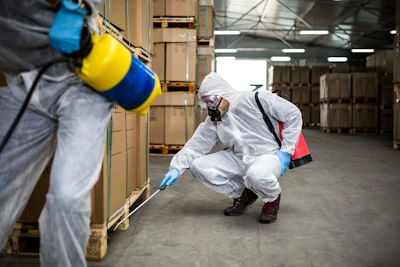
Pest pressures don’t stop for a warehouse’s busy season. For highly regulated food logistics facilities, even a small pest issue can compromise audit readiness and cause unnecessary downtime.
Warehouses and distribution centers receive products from multiple locations, store them, and move them to the next stop, often on tight timelines. That constant motion creates opportunities for pests to enter, hide, and travel with goods.
A prevention-first integrated pest management (IPM) program can reduce those risks through sanitation, exclusion, inspections, documentation, and ongoing monitoring.
Why are warehouses and distribution centers vulnerable to pests?
A warehouse can offer pests food, water, and shelter on a large scale. Multiple loading docks, employee entrances, utility penetrations, rooflines, floor drains, storage racks, and hard-to-reach spaces create numerous areas to inspect and maintain.
Frequent deliveries add another variable. Rodents, cockroaches, and other pests may arrive with pallets, packaging or products from another point in the supply chain. High amounts of items moving in and out your warehouse also leaves less time to notice early warning signs unless inspections are part of receiving procedures.
Common attractants and access points include:
· Spilled ingredients or damaged food products
· Food and trash in employee break areas
· Overflowing or poorly maintained waste containers
· Leaks, condensation, and standing water
· Cardboard, clutter, and idle equipment
· Dock doors or entrances left or propped open for extended periods
Which pests pose the greatest risks in food logistics facilities?
Although warehouses and distribution centers are vulnerable to many types of pests, these are some of the most common pests affecting food warehouses and distribution centers:
· Rodents: Rats and mice are particularly destructive pests. They can gnaw through packaging, damage products, and contaminate stored goods with droppings and urine. They can also chew electrical wiring. Common signs of rodent activity include rub marks, droppings, gnawing damage, and nesting material.
· Cockroaches: Cockroaches can enter through shipments, boxes, containers, drains, and gaps in the building. Once inside, they need only small amounts of food residue to survive. You may notice their droppings as a sign of an infestation, but they are sneaky and can hide quickly. Only a trained eye can find a cockroach infestation.
· Flies: Access points like open doors, windows, and loading docks can create fly pressure, especially when waste or food areas are nearby. Because flies can easily move between unsanitary materials and other parts of a facility, their presence can create food-safety concerns. Persistent fly activity may also point to an underlying sanitation problem.
· Birds: Pigeons, sparrows, and starlings may roost around rooflines, dock canopies, and high interior spaces. Nests and droppings can contaminate merchandise and damage roofing, machinery, or other building components. Bird droppings can also create health hazards and slip risks. And they are easy to spot. So, if you’re seeing them, your employees or guests are, too.
How can warehouses prevent pest activity?
Pest control shouldn’t be delayed until something scurries across the floor. The strongest food logistics pest management programs make prevention part of normal operations.
1. Put sanitation on a schedule
Create a master cleaning schedule that covers hard-to-reach areas beneath equipment, around drains, and behind stored products to help reduce pest attractants. Clean spills and dispose of damaged or opened goods promptly. Breakrooms and employee rest areas must be maintained alongside production zones. Empty trash containers regularly, keep exterior dumpsters closed, and power wash residue off dumpster pads.
2. Maintain the building to help keep pests out
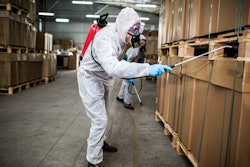
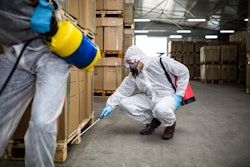
Partner with a pest control professional to inspect the building’s exterior for gaps that pests could be entering through including utility penetrations, gaps under doors and windows, cracks in walls, and other openings. Work with your facility maintenance team to close these gaps by caulking cracks, replacing damaged seals, and installing door sweeps or replacing worn ones.
Some pests, like ants and squirrels, can use vegetation growing close to buildings as a bridge inside, so vegetation should be trimmed away from the building – including any close to the roof. Address recurring puddles or drainage problems to avoid standing water. Where doors open frequently like loading docks or delivery doors, air curtains or positive airflow can provide an additional layer of protection against flying insects.
3. Make receiving a pest-control checkpoint
Inspect inbound shipments before they move from the loading dock into the facility. Look for droppings, gnaw marks, torn or damaged packaging, insect activity, and holes or sawdust-like material on wooden pallets.
Examine suspicious loads in a designated area away from production and storage. If employees find pest evidence, isolate the shipment and follow established inspection, reporting, and corrective-action procedures.
4. Store inventory so it can be inspected
Maintain space between stored products and walls so employees and pest-management professionals can inspect behind and between stacks. Keep goods elevated and organized, and avoid creating dark, undisturbed areas with clutter or idle inventory.
First-in, first-out rotation can help reduce the time products remain untouched. Regular movement also makes packaging damage, spills, or pest evidence easier to spot.
5. Monitor conditions and train employees
Monitoring devices can help identify activity early and show whether preventive measures are working. Review data for changes by pest, location, and time, then adjust sanitation, maintenance, or service strategies when patterns emerge.
Employees play a critical role in a pest management program because they have firsthand day-to-day knowledge of the facility’s conditions. Employees should be trained on common signs of activity and know the facility’s reporting procedures so they can help catch pest pressure before it has a chance to grow.
6. Inspect, document, and correct
Documentation is a critical part of an integrated pest management plan and is important for audit readiness. Facilities should be able to show that pest risks are identified, preventive measures are followed, and corrective actions are completed during normal operations.
Record sightings, inspection findings, service visits, and corrective actions in an accessible logbook or digital system. Accurate records help demonstrate what was observed, what was done, and whether the response worked. They may also help trace the source of a pest issue as products move among suppliers, transportation providers, warehouses, and customers.
What is the best pest control strategy for a warehouse?
The best pest control strategy for a food logistics facility combines inspections, sanitation, exclusion, documentation, and ongoing monitoring within a facility-specific IPM program.
Pest control is most effective when it becomes part of the everyday rhythm of the facility. It may not be the most glamorous part of facility operations, but the payoff is straightforward: fewer surprises, audit readiness, and less risk of pests disrupting products or operations.