A refrigeration compressor fails on a Friday afternoon. In most factories, that is a production problem. In a cold food or beverage plant, it is also a spoilage problem, a food safety problem, and a truck sitting at the dock with nothing to load. The clock that starts running is not measured only in lost cases. It is measured in product that may not survive the wait.
That is what makes unplanned downtime so punishing in cold food and beverage. ABB's research puts the average cost of an unplanned stoppage near $170,000 an hour across manufacturing, and for perishable goods the bill climbs faster, because raw material and finished product are both on the line the moment a machine goes dark. Add thin margins, a tight labor market, and supply chains that still have not fully settled, and getting the most life and value out of every asset stops being a maintenance concern. It becomes a business one.
Here is the trap most plants walk into. They want the outcome that AI promises, the forecast that tells what fails next, so they buy the dashboard and wait for insight. But they never did the work underneath it. They are still running blind, waiting for equipment to fail and then paying to recover, while the data that could break the cycle sits scattered across the operation. Feed AI, and you get predictions nobody on the floor believes. The tool is only as honest as the record behind it.
The reactive loop is expensive in three predictable ways
When a critical asset goes down without warning, the response follows the same script.
First comes the scramble. The plant expedites freight to cover the orders it can no longer fill on time, at whatever premium the carrier will charge that day. Then comes the improvised fix, often with a substitute part that was never specced for the job, because the correct one is three days out and the line cannot wait. Finally comes the delay, with equipment idle and product at risk, until the right component arrives.
None of this reflects a failure of the people doing the work. Technicians are the ones holding the operation together in those moments. It reflects a failure of information. The plant is reacting because it never had a clear enough picture to act sooner.
The data is already there. The insight is not.
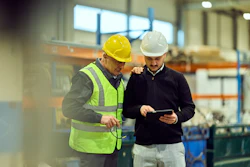
Most maintenance teams generate an enormous amount of data every shift. The problem is where it lives: on clipboards, in a supervisor's memory, in a spreadsheet nobody opens, or in a legacy system the floor quietly gave up on. When a compressor starts drawing more current than it did last quarter, someone might notice. But that observation rarely lands anywhere it can be used. So the same failures repeat, and the plant keeps paying for them.
Breaking the loop starts with capturing work where it happens, in a way that does not slow technicians down. If logging a repair is faster than not logging it, the record gets built. Do that consistently, and you end up with something most plants have never had: an honest history of how every asset actually behaves.
From reacting to forecasting
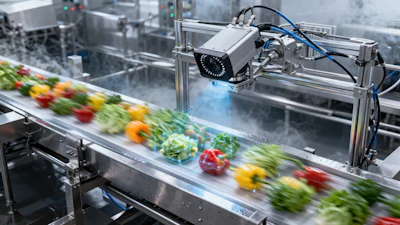
This is where the technology does real work, and it is worth being clear about what that means. AI does not stop a bearing from wearing out. What it does, once machine data and frontline context live in the same system, is surface the pattern before the failure. The temperature that keeps creeping up. The pump that needs attention a little sooner each cycle.
The prediction is only ever as good as the history behind it, which is why the capture has to come first. There is no shortcut around that step.
Take for instance a maintenance team that moved off paper and onto a mobile platform where technicians complete work at the point of activity, scan assets, and pull up equipment history on the spot. In the first 13 weeks, the team cut downtime on critical equipment by 90% and reduced mean time to repair by 48%. Across roughly 4,600 work orders a year, completion runs at 99.8%, and the program stayed inside budget the entire time.
The more telling part is what comes next. It’s about teams connecting the maintenance system to live sensor data so that equipment conditions can trigger work automatically before a problem ever reaches the floor. This build the network to power the future, using the record built to move from reacting to anticipating.
For cold food and beverage processors, that shift is not a luxury. Margins are thin, skilled labor is scarce, and perishables do not forgive a slow repair. The plants that come out ahead will not be the ones with the most sensors or the busiest dashboard. They will be the ones that made it easy for their technicians to capture what they know every day and turned that record into better decisions. The wrench still does the work. Good data just makes sure it's there when you need it.