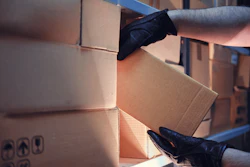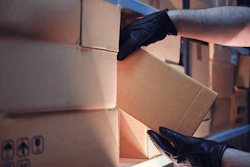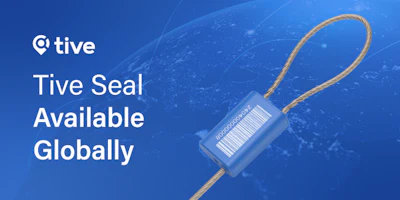
Tive announced the Tive Seal, a single-use, Bluetooth-enabled, high-security cable lock that provides real-time tamper detection to help teams protect container and trailer doors.
The Tive Seal was developed in partnership with TydenBrooks, following extensive testing, customer feedback, and expanded global certification efforts.
“Cargo theft is one of the most persistent and costly threats facing shippers today, and it continues to get worse. Thieves are more sophisticated, incidents are harder to detect, and by the time most teams know something went wrong, the damage is done. The Tive Seal changes that equation," says Krenar Komoni, CEO of Tive. "The Tive Seal adds an intelligent layer of cargo protection by helping companies detect tampering instantly. Anyone transporting high-value goods can deploy the Seal as a wider theft-prevention program to gain an extra layer of security, and reduce the risk of cargo theft before losses occur.”
Key takeaways:
· Designed to strengthen shipment security measures, the Tive Seal locks containers or trailer doors while adding a layer of intelligent digital protection.
· Fully integrated with Tive’s Solo 5G trackers and cloud platform, the Seal provides real-time tamper alerts the moment security is compromised—whether through cable cutting, forced entry, or device damage—empowering teams to respond immediately before incidents escalate.
· The Tive Seal feeds actionable analytics directly into the Tive cloud platform, giving customers real-time visibility into cargo security. Data collected by the Tive Seal and Solo 5G trackers also integrates seamlessly with existing Transportation Management Systems (TMS), enabling logistics providers to strengthen cargo protection without disrupting operations.