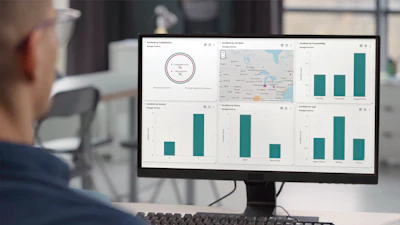
Fleetworthy added Accident Tracking to its safety and compliance solution.
The new Accident Tracking capability centralizes both DOT-reportable and non-DOT incidents, enabling consistent preventability analysis, audit-ready documentation, and proactive safety management.
Fleets often only track DOT-reported accidents while overlooking non-DOT incidents.
“That creates a serious visibility gap,” says David Long, VP of product at Fleetworthy. “Incomplete data limits a safety team’s ability to answer critical questions about why accidents happen and what needs to change. Without a consistent framework for preventability, fleets are left reacting instead of improving. Accident Tracking changes that by turning every accident, DOT and non-DOT, into structured, defensible safety data that supports coaching, policy improvement, and proactive risk management.”
Key takeaways:
· The capability provides fleets with a structured way to document, manage, and analyze all accidents through a standardized workflow. By going beyond basic DOT reporting requirements and aligning data capture across locations and teams, fleets can transform incident records into actionable safety intelligence that drives long-term safety improvement and risk reduction.
· Accident Tracking centralizes accident data in a single, standardized workflow, tying each incident directly to drivers, vehicles, and compliance records. By capturing consistent information across locations and teams, fleets gain the visibility needed to evaluate preventability, identify trends, and reduce future risk without relying on fragmented spreadsheets, email threads, or disconnected systems. Each record preserves compliance context at the time of the incident and securely stores supporting documentation, including photos and reports, in a searchable, audit-ready format.
· Accident Tracking serves as a single source of truth for accident records. Each incident is logged using standardized fields, linked to the relevant driver and asset, and stored alongside photos, reports, and supporting documentation. Compliance context at the time of the incident is preserved, enabling holistic reviews rather than isolated incident tracking.
· Accident Tracking also strengthens a fleet’s legal and compliance posture. Centralized, searchable documentation reduces audit and claims preparation time while providing a consistent framework for internal evaluations. Instant access to standardized records supports OSHA, DOT, and insurance review requirements while demonstrating due diligence.