Across countless sectors, the pace of technological, economic, and societal change is accelerating at an extreme pace. Artificial intelligence tools have embedded advanced technology into everyday life, and innovations like 5G infrastructure are enabling seamless connectivity. The Internet of Things (IoT) has matured from a mere concept to cornerstone, with the number of globally connected devices more than doubling between 2020-2025.
Like others, the temperature-controlled third-party logistics (3PL) industry is experiencing this same tech evolution; one that mirrors the food industries it supports, as both navigate a wave of innovation reshaping how perishable products move through the supply chain. Yet not every emerging technology aligns with the unique demands of cold environments. As operators balance operational needs with pressure to modernize, what delivers value today, and what remains a promising (but perhaps premature) investment?
Automation has long existed in food logistics, but the range and accessibility of solutions has expanded significantly. Modern systems offer greater flexibility, using advanced algorithms to optimize space utilization and operational efficiency while integrating with warehouse execution systems (WES) across diverse temperature-controlled storage environments. Autonomous guided vehicles (AGVs) are evolving into sophisticated mobile robots, capable of real-time decision-making through advanced vision systems and AI. Inventory management has also advanced, with drones capable of rapidly scanning pallet positions while operating reliably.
These technologies offer opportunities to improve efficiency, speed, and sustainability. However, a “readiness gap” remains. Many cold storage facilities were designed decades before modern automation systems existed. Floor layouts, ceiling heights, temperature zones, and legacy equipment can make integration complex and expensive. Retrofitting facilities may require significant capital investment, often a difficult hurdle for small to mid-sized operators. Additionally, most new technology is tested and piloted in ambient temperatures. Putting computers and robots in temperatures at or below freezing provides a new stressor to the equipment, causing challenges in implementation and reliability that aren’t seen in ambient warehouses.
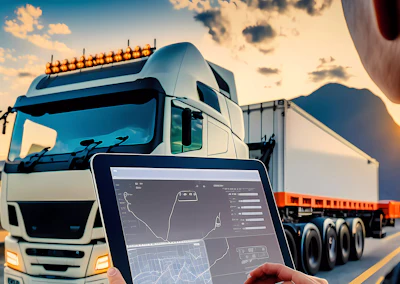
Data capture and analysis are also advancing rapidly. Modern tracking technologies can enable real-time monitoring of temperature, humidity, shock, tilt, and light exposure. IoT-powered logistics tools are combining cargo data with external variables such as weather patterns and seasonal conditions. Along with AI, these technologies can help operators stay ahead of problems — catching deviations early, keeping equipment running, and making smarter decisions that reduce risk and protect product quality.
Yet tech adoption remains uneven. For many smaller cold storage operators, barriers such as cost, system integration challenges, limited technical expertise on staff, and uncertain return on investment slow the implementation of advanced data capture and analysis. While the ability to collect data is expanding quickly, each link in the chain is focused on different priorities, so there is still progress to be made in defining what is most important to measure, and then manage, across the entire cold chain.
Transportation technologies are also evolving. Transport refrigeration units (TRUs) are beginning to transition away from diesel fuel, with new systems incorporating low-GWP refrigerants, biodiesel or even hydrogenated vegetable oil, and solar-powered refrigeration support systems.
Automotive solar modules are becoming an emerging component of fleet decarbonization strategies, and trials of hydrogen-powered TRU technologies are underway. However, widespread deployment faces challenges. Charging networks, hydrogen fueling infrastructure, and biodiesel supply chains remain inconsistent across many long-haul and rural routes that cold chain logistics depends on. Fleet operators must evaluate these technologies across entire networks, not just isolated regions.
Autonomous trucking also presents promise but faces regulatory and operational hurdles. Food logistics requires consistent reliability under all conditions. A delayed shipment may be inconvenient; a malfunctioning autonomous vehicle carrying temperature-sensitive cargo could quickly become a food safety crisis.
Technology integration across the cold chain also faces coordination challenges. Different sectors often operate with different technology systems and standards, creating a “language barrier” between platforms. Solutions such as blockchain could help improve transparency and interoperability, but data security and confidentiality remain critical concerns. It’s not just food that is under our care and control, it is also the data.
For innovation to succeed, technology providers must work closely with cold chain professionals to deliver solutions that are practical, cost-effective, and designed to address real operational needs. Despite these challenges, investment in emerging technologies demonstrates the industry’s continued commitment to progress in strengthening the global cold chain. The sector must balance innovation with the infrastructure, regulatory frameworks, and reliability standards that ensure safety and reliability.
This also requires investment in people. The next generation of the cold chain workforce must be prepared to operate in an increasingly technology-enabled environment. Technology can improve safety, efficiency, and decision-making, but the cold chain remains a fundamentally physical industry — one that powers the global movement of food and other critical commodities.
Industry collaboration will play a vital role in the continuing tech evolution. There are many in-person conferences and events that provide opportunities for operators, technology providers, and logistics experts to connect and explore emerging solutions shaping the future of the temperature-controlled supply chain.
The technologies shaping the cold chain hold huge promise for a safer, more efficient, and more resilient global food supply. But even with these innovative solutions, the industry will continue with work with specific challenges: aging infrastructure, uneven adoption, regulatory uncertainty, and the unforgiving physics of cold environments.
The stakes are high, and getting tech deployment right is a must. The cold chain is critical infrastructure, underpinning food security, pharmaceutical distribution, and public health. Billions of people depend on its reliability every day. Progress will be best measured in how thoughtfully and collaboratively the industry applies innovation to the very real (and very human) responsibility of keeping the world's most essential goods safe from origin to destination.