
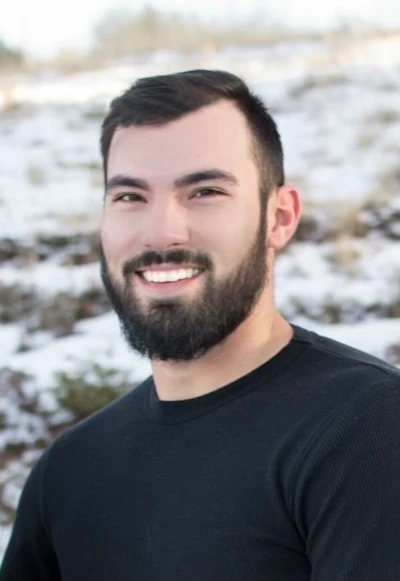
After more than a decade leading supply chains for major food brands, Ryan Leschber left the shipper world to help reshape how carriers operate. He stepped away from the security of established systems to help build something more personal and impactful—an operation designed around food quality and service, not just freight at the lowest cost.
His path began at Labatt Food Service, where he rose from supply chain analyst to logistics manager, learning the mechanics of routing, forecasting, and network optimization to keep food moving reliably from source to table. From Labatt, he joined Whole Foods Market as director of global perishables logistics, overseeing international sourcing and cold chain operations that connected growers and suppliers around the world.
Today, he serves as VP, operations at Fresh Freight, uniting 15-plus years of shipper-side experience with a carrier’s precision. He brings that full-circle perspective to the carrier side, blending enterprise rigor with entrepreneurial speed to shape an asset-backed brokerage designed entirely around food. He oversees every layer of Fresh Freight’s network, from fleet and brokerage operations to the systems and partnerships that keep them connected. He also leads technology initiatives designed to improve reporting accuracy, visibility, and compliance while strengthening the link between dispatch, planning, and customer service. And, he manages procurement strategy and seasonal forecasting, ensuring capacity and cost control align during key produce transitions.
At Fresh Freight, his leadership bridges the shipper side with the carrier side, creating a model built on accountability and performance. He’s implemented technology that delivers real-time visibility, optimized routing, and measurable performance tracking, all while strengthening collaboration between shippers, carriers, and internal teams.
Looking ahead, his next focus is scaling Fresh Freight’s food logistics platform with deeper data visibility, tighter fleet integration, and stronger shipper collaboration.
Leschber sits down with Marina Mayer, editor-in-chief of Food Logistics and Supply & Demand Chain Executive and co-founder of the Women in Supply Chain Forum, to talk about bridging the gap of shipper-level precision to an asset-backed brokerage built for food logistics.
Food Logistics: Let’s first talk about you. Tell me a little bit about yourself and your journey to get to this current stage in your career?
Ryan Leschber: I’ve always been drawn to food logistics because it’s real. It affects everyday life, and the standard is unforgiving. When you move perishables, you’re protecting quality, timing, and trust. I started at Labatt Food Service and worked from supply chain analyst to logistics manager, learning how forecasting, routing, and disciplined execution keep food moving reliably. From there, I joined Whole Foods Market as director of global perishables logistics, overseeing international cold chain operations and building a global perspective on what it takes to protect product under pressure. Today, as vice president of operations at Fresh Freight, I get to bring that shipper-side rigor into an asset-backed operation built specifically for food. Plus, I’m a weather nerd, so I’m always paying attention to how conditions in the field shape harvest timing, freight planning, and real-time network decisions.
Food Logistics: One of the things outlined in your nomination form is how you left the shipper world at its highest level to help reshape how carriers operate. Why make such a bold move?
Leschber: I made the move because I wanted to be closer to the part that ultimately determines outcomes: execution. On the shipper side, you can build strong standards and scorecards, but service lives or dies in the handoffs, on the road, and at the dock. Fresh Freight gave me an opportunity to help build a carrier-side model that treats food differently, with more accountability, more consistency, and a stronger service mindset. It was a risk, and I’m grateful for the experience I had at scale, but I’m driven by the chance to raise the bar where it matters most: how food is actually moved day to day.
Food Logistics: At Fresh Freight, your leadership bridges the shipper side with the carrier side. Why is this important? Any secrets to success?
Leschber: Perishables succeed or fail in the gaps between parties. Bridging shipper expectations with carrier reality reduces surprises, tightens communication, and improves outcomes when the plan gets tight. Having lived on the shipper side, I understand what customers really value: clean visibility, proactive updates, and consistent performance that holds up across seasons. The “secret” is making execution repeatable. That means clear processes, measurable standards, and strong carrier partnerships built on accountability. When data, people, and process are aligned, service becomes consistent, not situational. That’s what we work toward every day.
Food Logistics: The cold food chain is undergoing a lot of changes come 2026, with regards to updated FSMA rules, uptick in cargo fraud and more. From where you sit, what are some of the top trends/challenges to impact the cold food chain in 2026?
Leschber: At Fresh Freight, we treat those risks as operational realities and we invest accordingly. We have continued to strengthen technology and process around carrier vetting and fraud prevention, and we train our teams on the nuances that help surface red flags early, especially in fast-moving scenarios where scams tend to hide. Most importantly, we prioritize quality in our fleet and our carrier relationships, even when the short-term option might look cheaper on paper.
Food Logistics: The Leaders in Excellence category honors company leaders who’ve made outstanding contributions to the supply chain space. What advice do you have for other leaders in the supply chain space?
Leschber: Lead with standards, then build the systems that make those standards real. Culture matters, but process, measurement, and training are what make great execution consistent. Stay close to the customer’s reality and teach your teams to think beyond the load: protect product, reduce friction, and communicate early. Also, invest in relationships the right way. The best networks are built over time through clarity, fairness, and accountability. If you do that, performance becomes more stable, and stability is what customers remember.
Food Logistics: What are some things not addressed above that would be pertinent to include in the article detailing your strengths, achievements, overall goals, etc.?
Leschber: Food logistics is never certain. Weather shifts, harvest timing moves, markets tighten, and plans change fast. What keeps me grounded is knowing exactly what we’re building at Fresh Freight. I’m focused on creating a network that stays steady through volatility, investing in better visibility, tightening our operating discipline, and choosing partners who protect product integrity, not just margins.









![Top Tech Logo 2026 Vertical [color]](https://img.foodlogistics.com/mindful/acbm/workspaces/default/uploads/2026/04/top-tech-logo-2026-vertical-color.mWl7RAiZmg.png?ar=16%3A9&auto=format%2Ccompress&bg=fff&dpr=2&fill-color=fff&fit=fill&h=135&q=70&w=240)

