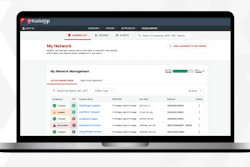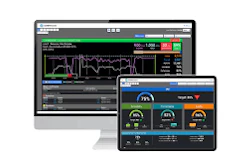
Genpact launched the Genpact Deductions Recovery solution to automate deduction management and improve cash flow for consumer goods companies.
The new AI-powered accounts receivable solution is designed to help consumer goods companies recover millions in lost revenue by automating the identification, validation, and resolution of disputed deductions.
“Disconnected trade data and manual reconciliation are slowing businesses down,” says Anil Nanduru, global business leader, consumer and healthcare, and high-tech software, Genpact. “Our new Genpact Deductions Recovery solution turns that complexity into confidence. We aren’t just automating a task, we are deploying specialized agents that understand industry nuances and can think, act, and resolve disputes autonomously, helping companies protect their bottom lines by ensuring every deduction claim is legitimate and compliant.”
Key takeaways:
· Built on Microsoft Azure for enterprise-grade scalability, the Genpact Deductions Recovery solution uses a network of specialized AI agents that orchestrate the end-to-end deduction lifecycle.
· The solution automatically pulls deduction data from disparate customer portals, carrier systems, and internal ERPs; uses advanced digitized checks to match debit memos with Proof of Delivery (POD) and internal records; and agents categorize deductions and execute follow-up activities, such as bill-backs for unreturned products, with minimal human intervention.
· By moving from manual intervention to agentic orchestration with human oversight, Genpact estimates that enterprise clients can achieve up to 20% faster cycle time, improved decision-making, and reduced backlog through automated indexing and classification; up to 15% additional annual recoveries via identification of invalid deductions that were previously unaccounted for due to manual oversight; approximately 1.5% reduction in financial leakage by fixing upstream bottlenecks and reducing downstream exceptions; fewer recurring deductions and improved compliance via data insights and root cause analysis and more.