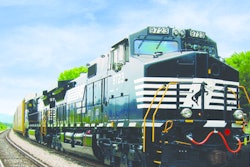
Mushy AdobeStock_512378391
Intermodal rail combined with zero-emission drayage vehicles are capable of reducing freight emissions, according to new research by the North American Council for Freight Efficiency (NACFE).
“Intermodal involves using a combination of transportation methods to get goods delivered,” says Rick Mihelic, NACFE’s director of emerging technologies and the lead author of the report. “However, a partnership between truck and rail is necessary to improve and optimize freight movement and to make use of zero-emission technology.”
Key takeaways:
- Three key ways intermodal shipping could become a cleaner mode of transportation include shifting more market share from regional and long-haul trucking to intermodal rail; replacing traditional diesel drayage tractors with zero-emission and near-zero emission tractors; and replacing traditional diesel terminal tractors with zero-emission and near-zero emission tractors.
- Rail and trucking are intertwined freight segments that compete and complement each other.
- Intermodal rail combined with zero-emission drayage vehicles are capable of reducing freight emissions vs. traditional diesel long-haul trucking on specific shipping lanes.