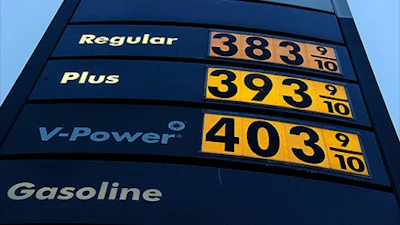
The recent escalation of conflict in the Middle East has rippled through global oil markets and landed squarely on the hoods of America’s trucks. Shippers and trucking carriers who take time to understand the risk of fuel costs and take practical steps to preserve margins can better navigate the months ahead.
How big is the exposure? The U.S. trucking industry is overwhelmingly composed of very small businesses: 91.5% of carriers operate fewer than 10 trucks. Smaller fleets don’t have the same negotiating power, purchasing programs, or contractual protection as larger carriers. Their lack of resources can make them vulnerable to significant disruptions in the market, and in turn, to their operations.
Large carriers can generally mitigate fuel volatility in two ways. First, they sign long-term contracts that include explicit fuel surcharge mechanisms. This is a separate line item that adjusts pay based on published fuel indices, so they don’t have to fully absorb sudden cost increases. Second, they can access volume-based discounts through fuel card programs and preferred fuel networks, which lower effective per-gallon costs.
Smaller operators and independent contractors rarely have those protections in place. Many companies run on the spot market, bid a fixed price for a load, and shoulder the variable cost of fuel themselves. When diesel jumps 20–40% in a few weeks due to macroeconomic forces, including geopolitical risk, a load that was marginally profitable suddenly becomes a money-losing trip. For shippers and carriers, fuel spiked way outside the range of their planning assumptions as a result of the conflict in the Middle East. Owners had to decide if they should absorb the added cost, accept a loss, or decline the job. Each option carries consequential downstream effects for capacity, reliability, and broker relationships.
As the trucking market becomes more difficult to operate in due to rising operating expenses, small carriers are exiting the market altogether. This exodus is causing capacity to tighten, especially in sectors dominated by independent contractors. The reduction in available trucks will lead to higher spot market rates and service disruptions for shippers. The increased exits from small fleets can influence larger carriers’ strategic decisions on equipment investment and hiring drivers.
For smaller carriers still operating in the market, they are going to have to adapt to understand their razor-thin margins and decrease administrative delays. Volatility can create increased downtime and costs for insurance and compliance. For example, missing certificates of insurance, incorrect filings, or compliance gaps can leave a truck waiting at pickup, converting paid road time into unpaid delays. These minutes matter. Keeping insurance and regulatory paperwork current and choosing brokers and partners who minimize on-site friction reduces the odds that a truck is paid to sit idle.
What trucking leaders and shippers need to know about the state of the market:
- Shipping capacity is not monolithic. The U.S. trucking market is a patchwork of contracted fleets and spot-market independents. When fuel spikes, these entities tend to leave the market first. That shrinkage reduces capacity and raises the chance of service disruptions.
- Fuel surcharges matter, but they’re not universal. If freight is contracted with an automatic fuel surcharge tied to a published index, transportation carriers can preserve margins in the short term.
- Monitor shifts in the transportation market. Larger fleets are watching the market conditions’ impact on smaller carriers. Some large operators may decide to expand into vacant capacity or adjust their investment plans. Logistics and other transportation companies should factor in changes in the market for their business planning.
Practical steps owners and managers can take now:
- Know your true cost-to-serve. The best defense against rising fuel prices is understanding your true cost. Take time to calculate per-mile and per-hour breakeven calculations for a job, including realistic fuel burn. If the increased cost of fuel pushes a particular load below or at breakeven, it could be wise to decline it. Documenting your rationale preserves relationships and clarifies decisions for brokers and shippers as you make tough short-term decisions for the sake of long-term viability.
- Use buying power where possible. Independent operators can often join associations, co-ops, or state-based programs that offer fuel card access or negotiated fuel discounts. Those memberships can materially lower effective fuel costs and narrow the gap with larger carriers. There are many options available, so be sure to research the best association to fit your needs and values.
- Find a partner to reduce any time lost from compliance. An effective partner can help you ensure certificates of insurance, state filings, and registration details are up to date and easy to produce. Reducing administrative delays saves time on the road. Brokers, yards, and receivers who understand efficient turn times are pivotal.
- Revisit contractual arrangements. Where feasible, negotiate fuel surcharge language or short-term adjustments when taking contracted work. For repeat brokers and shippers, consider laddered pricing or indexed adjustments that share the fuel risk more equally.
- Diversify your client portfolio. For carriers and shippers alike, diversify your lane portfolio so revenue isn’t concentrated in a few routes most sensitive to fuel spikes. For shippers, working with a mix of contracted and reliable spot partners can buffer capacity shocks. Be careful not to become completely reliant on one big client for your business.
- Communicate early and transparently. If rising fuel costs threaten a committed delivery, communicate with brokers and customers early. That transparency often leads to partial solutions before relationships break down.
Even if a shipper contracts with a large carrier, a tightening in the independent segment matters. Independent operators move a substantial portion of freight in certain lanes and niche services. As small carriers exit, spot capacity shrinks and spot rates rise. Costs can ripple into logistics budgets, inventory strategies, and customer service.
Geopolitics will continue to drive some degree of price volatility that is beyond your control. As the old adage says: Focus on what you can control: know your costs, leverage collective purchasing or association resources, minimize avoidable downtime, and choose partners who reduce friction. Those are the practical levers that help small carriers navigate unfavorable markets and help supply chains stay moving when the market gets tough.