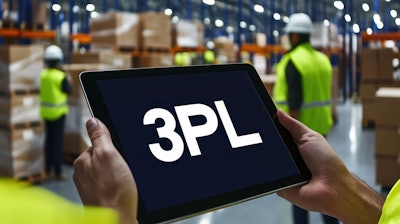
The cold chain market is growing across the board, with no signs of it slowing anytime soon. That means the competition is only getting tougher, and both refrigerated and frozen brands, along with 3PLs, need to find ways to stand out in an increasingly crowded market.
The state of cold chain
As retail and online channels continue to integrate, the way perishable products reach customers is changing. Major food and beverage brands that once relied solely on retail distribution are now building DTC channels, realizing that e-commerce can build a high-growth revenue stream. It’s almost as though retail has driven that brand awareness to really breathe life into the e-commerce side. The surge in perishable shipping volume rivals, and in some cases surpasses, the spikes seen during the pandemic.
For shippers, the decision-making lens is changing. Cost pressures remain, but the focus is shifting from purely fulfillment expenses and more towards shipping and parcel costs. Proximity to the end-customer is now one of the strongest drivers for cost efficiency. Placing inventory closer to customers not only shortens transit times, but it also allows for reduced shipping weight costs. Those who can balance speed and pricing through strategic network placement and thoughtful distribution strategies are at an advantage.
The cold realities of 3PL operations
Inside the warehouse, cold operations function like a teeter-totter. If you pick too quickly, then product waits exposed. If you move too slowly, then throughput collapses. Moving forward, maintaining that equilibrium will depend on real-time coordination and data-driven workflows that keep picking, packing, and sorting perfectly aligned. Every process, person, and pallet must move in rhythm to keep products within their required temperature range and shipments on schedule.
Going into 2026, labor pressures will continue to push 3PLs to rethink how work gets accomplished. Recruiting and retaining workers willing to operate in sub-zero conditions has always been a challenge, but 3PLs are shifting how they structure work to stay competitive. People can expect to see more facilities adopting part-time or shorter shift models that allow workers to rotate in and out of cold zones without burning out.
Resource management is also becoming a strategic priority. Dry ice and coolant materials are already in short supply, and the limited number of suppliers makes availability even tighter. Because dry ice has narrow shelf life, 3PLs must be extremely deliberate about when they use it and how much of it they use. The margin for miscalculation is slim, and as we head into the new year, securing stronger supplier partnerships and implementing tighter inventory forecasting to reduce exposure will need to be a priority for 3PLs.
Space utilization is another piece that requires intentional planning. As brands invest in custom packaging and value-added services, storage strategies will need to evolve creatively. It’s becoming its own revenue stream with how 3PLs design and piece together storage configurations. Treating cubic storage as a planned asset to be optimized instead of an afterthought will create new operational and margin opportunities in 2026.
Technology driving cold chain in 2026
Predictive weather tracking is emerging as one of the most transformative capabilities in temperature-controlled logistics. In cold chain, weather directly influences how much coolant goes into a box, how fast carriers should move, and whether a route is viable at all. Instead of reacting to storms or temperature swings, operations will be anticipating them. This technology shifts the way shipping decisions are made by replacing assumption with informed action grounded in real environmental data. Not to mention, this level of insight has meaningful cost implications. When you understand the expected temperature range throughout the entire journey, companies are able to tailor the amount of dry ice for each product instead of relying on a default weight. That means fewer wasted materials, lower weight-based shipping fees, and overall better product protection. Using environmental data to determine carrier routing and delivery strategies will play a defining role in unlocking the full potential of cold chain technology in 2026.
Another transformative technology tool for cold chain operations in the coming year will be track and trace capabilities. If a package stalls in transit, there’s rarely insurance or backup protection to save that product. The window to respond is short. That’s why the next wave of track and trace will be about alerting and intervening. The moment a shipment stops moving or risks missing delivery, the system should trigger real-time notifications and present clear next steps. The advantage of this visibility comes from solving the problem before product integrity is lost.
Automation is also becoming a key focus point in cold chain operations. The role of automation greatly improves the process and productivity inside and outside the warehouse. It’s less about replacing labor and more about supporting it in the areas that are the most strenuous in the cold environment. Expect to see more meaningful uses of automation in the coming year, with one of them being from a picking standpoint. Utilizing automation when it comes to picking and optimizing that workflow will help reduce exposure time. Not only does this lead to a quicker fulfillment process, but it helps keep that teeter totter system balanced.
Mastering the details
Preparation may be the most important piece for 3PLs to master in 2026. Readiness within the cold chain space is not just something to focus on during peak seasons, but rather year-round. The leaders of tomorrow will be the ones who forecast demand, weather, and resource needs before they become limitations. Through every disruption, it reinforces the idea that the companies who win will be the ones who make the smartest decisions before product ever leaves the dock. Success in the next year of cold logistics will depend on how intelligently each shipment is predicted, prepared, and protected. 3PLs that build proactive systems and strong supplier partnerships will be able to deliver the level of service customers expect in 2026.